
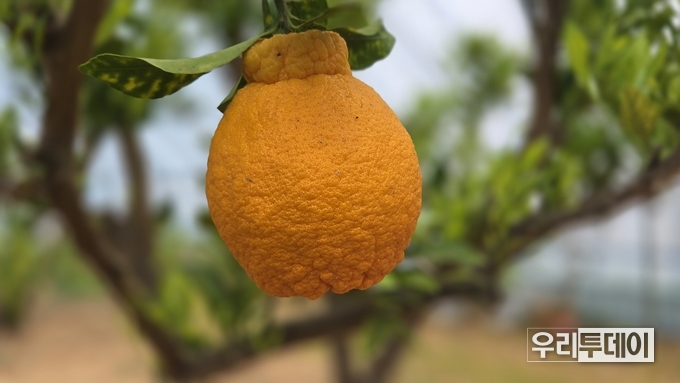
우리투데이 이동현 기자 | “제주도 감귤류인 ‘한라봉’이 강화도에 와서 ‘마니봉’(摩尼峰)으로 거듭났습니다”.
“The Jeju citrus fruit known as ‘Halla-bong’ has arrived on Ganghwa Island and been reborn as ‘Mani-bong’.”
“济州岛的柑橘品种‘汉拉峰’来到江华岛,摇身一变成为了‘摩尼峰’”。
강화 선원사 주지 성원 스님은 우리나라 국토 최남단 제주도의 한라봉을 서북단 강화도에서 재배하는 시도를 거듭해 올해 첫 수확에 성공, 향후 강화도를 대표할 새로운 '마니봉'으로 탄생시켰다.
향후 강화도 뿐만아니라 휴전선 인근의 다른 지역에서도 이러한 재배 성공을 벤치마킹하기위한 문의가 쇄도할 전망이다.
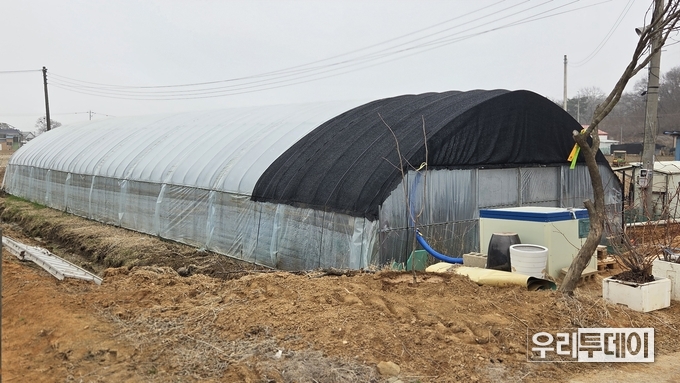
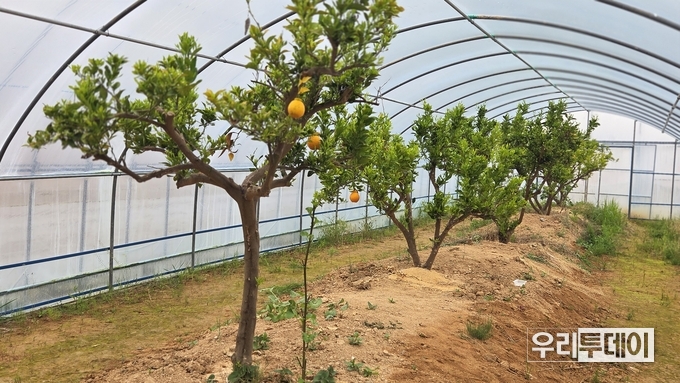
성원 스님은 최근 선원사 텃밭 50평 시설하우스 내 5그루의 귤나무에서 ‘마니봉’ 수확 체험 법회를 가지고 방문객들과 나누는 행사도 가졌다.
성원 스님은 "재배가 성공한 이유는 탱자나무에 감귤나무를 접목해 내한성을 높이고, 지하수의 지열 난방을 이용한 수막재배법의 결과이다"라고 설명했다.
이어 “아직은 시험 단계지만 수년 간의 연구와 실험의 공력이 대단위 재배로 이어지고 강화군의 새로운 농업 모델과 과일 브랜드로 확산될 수 있다면, 이 또한 자리이타(自利利他)의 보살행이 아니겠습니까”라고 말했다.
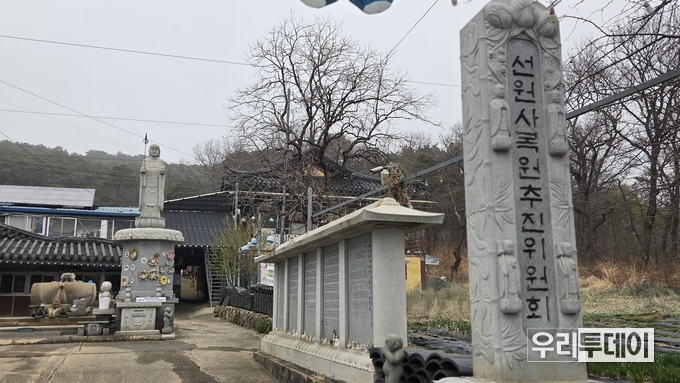
각종 불사를 널리 일으켜 대중을 두루 이롭게 하려는 스님의 광작불사(廣作佛事) 홍법이생(弘法利生)의 만행(萬行)은 경계가 없다. 스님이 주석하고 있는 선원사는 고려시대 팔만대장경을 보관한 것으로 알려진 불교 성지다.
그래서 오랜 세월 터만 남은 선원사 발굴 복원에 진력해오면서, 조선 초기 팔만대장경 이운(移運) 여정을 따라 합천 해안사까지 천리길을 걸어가는 행보를 보여주기도 했다.
‘연승’(蓮僧)을 자처하는 스님은 연(蓮)의 대중화를 이끌어 온 연 박사로 이름이 높다. 실제로 고려대와 건국대에서 연 관련 석사·박사 학위 논문을 쓴 학구파이기도 하다. 지금도 선원사에서 대장경박물관과 연꽃전시관을 운영 중이다.
불교의 상징이기도 한 연꽃과 사랑에 빠진 스님은 다양한 행사와 사업을 기획하며 연의 홍보와 보급에 힘써왔다. 연밭을 조성하고 연꽃축제와 연김치축제를 열었으며, 연 연구소와 식품회사를 설립하기도 했다.
연을 활용한 면류와 주류 그리고 차(茶)와 환(丸), 과자류 등 출시한 상품도 숱하다. 선원사를 ‘연꽃도량’이라 부르는 까닭이다.
그로인해 주민들이 연 농사를 짓거나 사업을 일으켜 소득을 올릴 수 있도록 도와주고 싶은 마음이다.
스님은 종교의 벽을 허물고 세대 간의 화합도 중요하게 생각한다. 선원사에 가요박물관을 열고 ‘연꽃인생’이란 노랫말도 지었다.
더불어 사는 행복한 세상을 만들기 위한 위문활동과 이웃돕기 등 사회공헌에도 적극적인 성원 스님의 무장무애(無障無礙)한 행보가 어디까지 미칠지, 범부의 요량으로는 짐작이 어려울 따름이다.
성원 스님은 “불교의 수행자는 그 어느 것에도 구속되지 않고 집착이 없는 삶을 추구한다”라며 “연꽃은 진흙탕에서 자라지만 스스로는 오염되지 않는 것처럼, 나의 다양한 행보가 수행의 본연에서 벗어나지 않으면서 많은 사람들에게 안정과 행복은
전하는 연꽃같기를 소망한다”고 말했다.
Venerable Seongwon, the abbot of Seonwonsa Temple on Ganghwa Island, has repeatedly attempted to cultivate Hallabong oranges—native to Jeju Island, the southernmost point of South Korea—on Ganghwa Island, the country’s northwesternmost point. This year, he successfully harvested the first crop, creating a new variety called “Manibong” that will come to represent Ganghwa Island.
It is expected that inquiries will flood in from not only Ganghwa Island but also other regions near the Demilitarized Zone (DMZ) seeking to emulate this cultivation success.
Venerable Seongwon recently held a special event at Seonwonsa Temple, where visitors participated in a ‘Manibong’ harvesting experience in a 50-pyeong greenhouse on the temple grounds, featuring five mandarin orange trees.
Venerable Seongwon explained, “The reason for the successful cultivation is that we grafted mandarin trees onto citron trees to increase cold hardiness, and utilized a water film cultivation method that harnesses geothermal heat from groundwater.”
He added, “Although this is still in the experimental stage, if the efforts of years of research and experimentation lead to large-scale cultivation and spread as a new agricultural model and fruit brand for Ganghwa County, wouldn’t this also be a Bodhisattva’s act of benefiting both oneself and others?”
The Venerable Monk’s boundless efforts to widely promote Buddhist activities and benefit all beings—his “extensive Buddhist practices” and “propagation of the Dharma for the benefit of sentient beings”—know no bounds. Seonwonsa Temple, where the Venerable Monk resides, is a Buddhist holy site known for having housed the Tripitaka Koreana during the Goryeo Dynasty.
Consequently, he has devoted himself to the excavation and restoration of Seonwonsa Temple, which for many years had been reduced to ruins, and even undertook a thousand-mile pilgrimage on foot to Haeanssa Temple in Hapcheon, retracing the route taken during the early Joseon Dynasty to transport the Tripitaka Koreana.
The monk, who calls himself “Yeonsung” (Lotus Monk), is renowned as a “lotus scholar” for his efforts to popularize the lotus flower. In fact, he is an academic who wrote master’s and doctoral dissertations on lotus-related topics at Korea University and Konkuk University. He currently operates the Tripitaka Museum and the Lotus Exhibition Hall at Seonwonsa Temple.
Enamored with the lotus flower—a symbol of Buddhism—the monk has strived to promote and popularize the lotus by planning various events and initiatives. He has created lotus fields, hosted lotus festivals and lotus kimchi festivals, and even established a lotus research institute and a food company.
He has launched numerous products utilizing lotus, including noodles, alcoholic beverages, tea, pills, and snacks. This is why Seonwon Temple is called the “Lotus Sanctuary.”
Consequently, he wishes to help local residents increase their income by growing lotus or starting businesses.
The monk places great importance on breaking down religious barriers and fostering harmony between generations. He opened a pop music museum at Seonwonsa Temple and even wrote the lyrics to a song titled “Lotus Life.”
It is difficult for an ordinary person to fathom just how far Monk Seongwon’s unhindered and unimpeded efforts—including outreach activities and community service aimed at creating a happy, harmonious world—will extend.
Venerable Seongwon stated, “A Buddhist practitioner pursues a life free from attachment and unbound by anything,” adding, “Just as a lotus grows in muddy water yet remains untainted, I hope that my diverse endeavors, while never straying from the essence of my practice, will serve as a lotus that brings stability and happiness to many people.”
江华善元寺住持成元法师多次尝试在韩国国土最北端的江华岛种植位于最南端济州岛的汉拉柚,今年终于成功实现首次收获,并将其培育成了未来将代表江华岛的新品种“玛尼柚”。
预计今后不仅江华岛,就连停战线附近的其他地区也将纷纷咨询,以期借鉴这一种植成功经验。
成元法师近日还在仙源寺菜园内50坪的大棚里,举办了“马尼峰”采摘体验法会,与来访者共同分享了这一成果。
成元法师解释道:“种植成功的原因在于将柑橘树嫁接在枳树上以提高耐寒性,并采用了利用地下水地热供暖的水膜栽培法。”
随后他表示:“虽然目前仍处于试验阶段,但若数年的研究与实验成果能转化为大规模种植,并扩展为江华郡的新型农业模式和水果品牌,这难道不是一种自利利他的菩萨行吗?”
为了广泛兴起各种佛事、普利众生,这位高僧“广作佛事、弘法利生”的万行之举,其境界无边无际。他所住持的禅院寺,是据传曾保管高丽时代八万大藏经的佛教圣地。
正因如此,他长期致力于发掘与修复仅存遗址的善元寺,甚至曾沿着朝鲜初期八万大藏经的迁移路线,徒步千里抵达合川的海安寺。
自称“莲僧”的他,作为引领莲花大众化的“莲博士”而声名远扬。实际上,他也是在高丽大学和建国大学撰写过莲花相关硕士、博士学位论文的学术派。至今仍在仙源寺运营着大藏经博物馆和莲花展示馆。
这位痴迷于作为佛教象征的莲花的僧人,通过策划各类活动和项目,致力于莲花的宣传与推广。他开辟了莲花田,举办了莲花节和莲花泡菜节,还成立了莲花研究所和食品公司。
利用莲花制作的面食、酒类、茶饮、药丸及点心等商品也层出不穷。这正是人们将善源寺称为“莲花道场”的原因。
正因如此,他希望能帮助当地居民通过种植莲花或开展相关事业来增加收入。
这位法师不仅致力于打破宗教壁垒,也高度重视代际和谐。他在善元寺开设了流行音乐博物馆,并创作了名为《莲花人生》的歌词。
为了构建一个和谐幸福的社会,他积极投身于慰问活动和邻里互助等社会公益事业。这位法师无障无碍的足迹究竟能延伸到何处,凡夫俗子实在难以估量。
成元法师表示:“佛教修行者追求一种不受任何事物束缚、无执着的生活。”他说道:“正如莲花生长于泥泞之中却自身不染污垢一般,我希望自己多样的行动既不偏离修行本源,又能像莲花一样为许多人传递安定与幸福。”
